
The lower parts kit is a central group of components used in many rifle builds, especially within modular platforms. It contains the internal pieces needed for the fire control system and basic operation of the lower receiver. These small parts work together to control firing, safety, and function. Many builders focus on this kit when assembling a complete setup. Each piece plays a specific role.
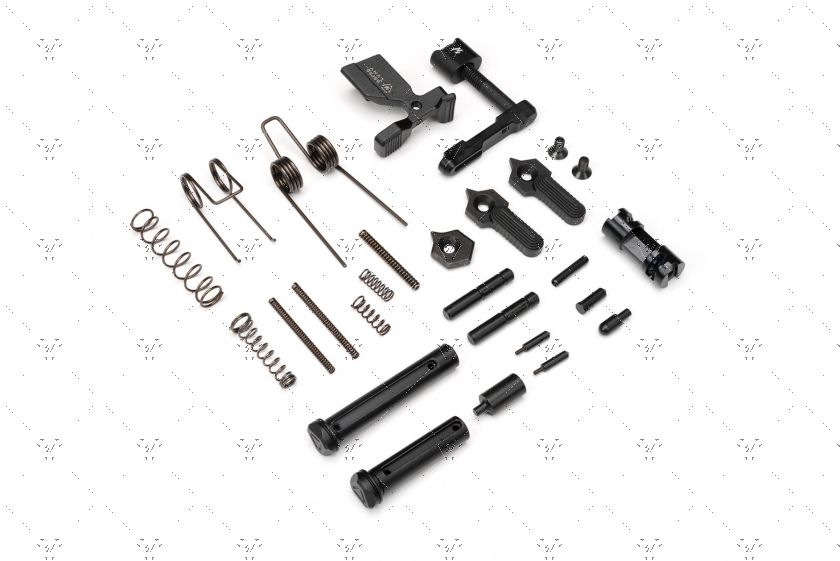
What a Lower Parts Kit Includes and How It Works
A lower parts kit contains many small but essential components that allow the lower receiver to function properly. These usually include the trigger, hammer, springs, detents, pins, and safety selector. Each part has a specific mechanical job in the firing process. Without them, the system cannot operate. Everything must fit correctly.
The trigger group is one of the most important sections of the kit. It includes the trigger, hammer, and disconnector, which work together to control firing and reset. When the trigger is pulled, the hammer releases and strikes the firing pin. This process happens in milliseconds. Timing is precise.
Other components include the magazine catch, bolt catch, and takedown pins. These parts allow the user to load, lock, and disassemble the firearm for maintenance. Small springs hold tension in place to ensure proper function. Even a missing spring can stop operation. Attention to detail is required.
Selecting the Right Kit for Your Build
Choosing a lower parts kit depends on compatibility, material quality, and intended use. Some kits are basic and designed for standard builds, while others include upgraded triggers or enhanced controls. Material differences can affect durability and feel. Every detail matters in long-term use.
Many online listings provide detailed options, including packages like the lower parts kit that show compatibility with different calibers and configurations, helping builders compare features before purchasing. Reviewing these options reduces mistakes during assembly. It also ensures all parts work together correctly. Careful selection saves time later.
Some users prefer kits without a trigger group so they can install a custom trigger. Others choose complete kits for convenience and simplicity. Both options are common in the building process. The choice depends on personal preference and budget. Flexibility is a key advantage.
Installation Process and Common Challenges
Installing a lower parts kit requires patience and careful attention. Many components are small and can be difficult to handle without proper tools. Springs and detents are especially tricky. They can easily slip or get lost during installation. A clean workspace helps a lot.
The trigger assembly is often the most complex part of the installation. It must be aligned correctly to ensure proper function. If installed incorrectly, it can cause safety or performance issues. Some builders use guides or videos for reference. Step-by-step work is important.
Tools like punches and small hammers are commonly used during installation. They help position pins and secure components in place. Without the right tools, the process becomes harder and less precise. Taking time with each step reduces errors. Rushing often leads to mistakes.
Maintenance and Long-Term Reliability
Once installed, the lower parts kit requires regular maintenance to stay reliable. Dirt and carbon buildup can affect moving parts like the trigger and hammer. Cleaning after use helps prevent performance issues. It does not take long. Consistency is key.
Lubrication is also necessary for smooth operation. Applying a small amount of oil to contact points reduces friction and wear. Too much lubrication can attract dust and debris, which may cause problems later. Balance is important. Many users follow a simple routine.
Wear should be checked periodically. Springs can lose tension over time, and pins may show signs of use after extended firing sessions. Replacing worn components helps maintain reliability. Small inspections can prevent larger issues. Regular care extends lifespan.
Customization and Upgrade Options
Lower parts kits offer many opportunities for customization. Users often upgrade triggers for a lighter pull or smoother reset. These changes can improve control and shooting experience. Small upgrades can make a noticeable difference. Preferences vary widely.
Here are a few common upgrade ideas:
– Installing an enhanced trigger system to improve pull weight and consistency during repeated firing sessions.
– Using an ambidextrous safety selector for easier operation from either side of the firearm.
– Adding an extended magazine release to improve speed during reloads in training or practice scenarios.
Each modification affects how the firearm feels and operates. Testing after installation ensures everything works properly. Some upgrades may require minor adjustments. Careful planning helps avoid compatibility issues. Details matter here.
Safety and Legal Awareness
Understanding laws related to firearm components is essential before purchasing or assembling parts. Regulations vary depending on location and may affect what configurations are allowed. Checking local rules helps prevent legal issues. This step should never be skipped.
Safe handling practices are always necessary during installation and use. Even when working on small components, proper care is required. Keeping parts unloaded and organized reduces risk. Accidents can happen. Awareness helps prevent them.
Training improves both safety and understanding. Many users attend courses to learn proper assembly and handling techniques. These sessions often include hands-on instruction. Learning from experienced individuals builds confidence. It also improves long-term habits.
The lower parts kit is a key element in firearm assembly, bringing together critical components that control function and safety, and understanding its parts, installation process, maintenance needs, and upgrade options helps users build reliable systems while maintaining safe and consistent operation over time.